Expert Foot & Ankle Treatment from Michigan’s #1 Podiatrist - Balance Foot & Ankle Specialist
As Seen on YouTube
Trusted by 1M+ Social Media Followers
Expert Foot & Ankle Treatment from Michigan’s #1 Podiatrist - Balance Foot & Ankle Specialist
Trusted by 1M+ Social Media Followers
Do you have Inside of the Ankle Pain, Inside of the Arch Pain, or Inside of the Foot Pain? Try the BEST Posterior Tibial Tendonitis Home Treatment!
0:00 Posterior Tibial Tendonitis Treatment
0:42 Posterior Tibial Tendonitis Causes
1:07 Posterior Tibial Tendonitis Symptoms
1:38 Posterior Tibial Tendonitis Podiatrist Treatment
2:02 Posterior Tibial Tendon Tear
2:20 Posterior Tibial Tendonitis Surgery
2:45 Posterior Tibial Tendon Injection
3:05 Posterior Tibial Tendonitis Medication
3:32 Posterior Tibial Tendonitis Home Remedies
3:59 Posterior Tibial Tendonitis Ice vs. Heat
4:38 Posterior Tibial Tendonitis Massage
5:58 Posterior Tibial Tendonitis Biomechanics
6:44 Posterior Tibial Tendonitis Stretches
7:26 Posterior Tibial Tendonitis Cast
7:54 Posterior Tibial Tendonitis Boot
8:50 Posterior Tibial Tendonitis Cross-Training
9:48 Posterior Tibial Tendonitis Braces
10:26 Posterior Tibial Tendonitis Best Orthotics
11:35 Posterior Tibial Tendonitis Best Shoes
12:39 Posterior Tibial Tendonitis Rehabilitation
13:25 Posterior Tibial Tendonitis Physical Therapy
13:52 Posterior Tibial Tendonitis Warm-up
14:20 Posterior Tibial Tendonitis Massage
14:38 Posterior Tibial Tendonitis Stretching
15:00 Products
Posterior tibial tendonitis is one of the most common foot and ankle problems that we see. It generally occurs on the inside of the ankle, extending along the inside of the heel.
This can occur when the posterior tibial tendon becomes inflamed and potentially develops a partial tear and more severe circumstances. As a result, the tendon may cause the foot to flatten out and provide poor stability and poor support for the arch of the foot. This can eventually lead to flat feet.
In our experience, most patients can fix posterior tibial tendonitis without surgery.
For this reason, we are big fans of using the best posterior tibial tendonitis braces and the best posterior tibial tendinitis orthotics. Orthotics are generally the first-line treatment combined with great posterior tibial tendonitis shoes. But if this does not help, a posterior tibial tendonitis brace can be added.
In our experience, these 3 treatments are extremely effective. For a partial tear, it is possible to use a walking boot in the short term. We will talk about these treatment options below.
Posterior tibial tendonitis is 1 of the most important tendons that we know of in the foot and ankle. The tendon starts inside the calf muscle and extends onto the inside medial portion of the foot.
The main function of the posterior tibial tendon is to support the foot arch while walking.
The most common causes of posterior tibial tendonitis are aware and care injury. This type of inflammation can occur most commonly due to overuse.
For example, this is very common in people that perform high-impact sports such as running, basketball, tennis, soccer, or other types of running activities. This can lead to the tendon’s inflammation and eventually a partial tear or even a complete tear.
If this happens repetitively, the arch will slowly collapse over time and become injured.
Posterior tibial tendon dysfunction is much more common in women and people over 40 years old.
Risk factors include:
The most common symptoms of posterior tibial tendonitis include:
We also provide a helpful guide for overpronation and posterior tibial tendonitis.
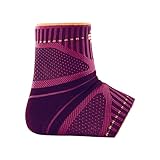
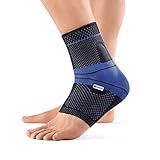
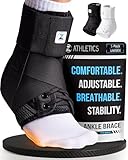
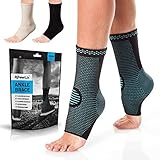
These are our choices for the best posterior tibial tendonitis braces. These are also known as:


This is not a firm brace like the ones above.


PTTD is usually a progressive condition, meaning that it will often get worse if left untreated and unsupported. When left untreated, the arch will flatten further, and the foot and arch will begin to turn outward as the ankle rolls inward. After this, the tendon will continue to deteriorate, leading to arthritis, further pain, and a heavily disrupted walking pattern.
Luckily, ankle braces and taping are effective in treating PTTD for most cases, as long as the condition is treated at an early enough stage. A PTTD brace will help support the foot’s arch, accounting for different arch shapes and heights to make sure the condition doesn’t develop any further and your pain regresses. With the use of a PTTD brace, your walking pattern will normalize, and the symptoms of posterior tibial tendonitis can be kept at bay.
While you should always consult your doctor before deciding how to treat your PTTD, these braces are an excellent choice for early treatment in most cases. If you’d like to view our other products that can help with your posterior tibial tendonitis and adult-acquired flat feet, feel free to browse our entire section of Insoles for Flat Feet.
Please note: PTTD is a progressive condition and must be recognized early for a PTTD brace to be a sufficient treatment. Consult your physician to determine the best course of action to treat your posterior tibial tendonitis.
At Balance Foot & Ankle Specialists in Howell and Bloomfield Hills, we provide expert evaluation and fitting for the best posterior tibial tendonitis braces, including lace-up ankle and foot braces, ensuring every patient in Southeast Michigan receives customized support for lasting pain relief and improved mobility.
Best Shoes & Best Insoles
Posterior tibial tendonitis occurs when the tendon supporting your arch becomes inflamed or weakened, leading to pain and flatfoot. A supportive brace reduces strain, stabilizes the ankle, and helps prevent further tendon damage.
A lace-up ankle brace or foot brace is often the most effective option because it provides both medial arch support and ankle stability, reducing stress on the posterior tibial tendon.
Lace-up braces hold the ankle in proper alignment, limit excessive movement, and support the arch. This reduces tension on the tendon and helps relieve pain while walking or exercising.
A brace cannot permanently correct flatfoot but can provide essential support, reduce pain, and slow down the progression of tendon dysfunction. For long-term correction, treatment may include orthotics, therapy, or surgery.
Most patients benefit from wearing their brace during daily activities, especially when walking, standing, or exercising. Your podiatrist can recommend a personalized bracing schedule.
Yes, additional treatments may include custom orthotics, physical therapy, anti-inflammatory medications, supportive footwear, and in severe cases, surgical correction.
Some patients experience relief within days, while others may need several weeks of consistent use to notice significant improvement. Early treatment typically leads to better results.
You can be evaluated and fitted for the best lace-up ankle or foot brace at Balance Foot & Ankle, with two convenient locations:
Howell Office: 4330 E Grand River Ave, Howell, MI 48843, United States
Bloomfield Hills Office: 43494 Woodward Ave #208, Bloomfield Township, MI 48302, United States
Call today to schedule your brace fitting and treatment plan with our podiatry specialists.
In many cases, ankle and foot braces are covered by insurance if prescribed by a podiatrist for a medical condition like posterior tibial tendon dysfunction.
If you have ongoing pain, difficulty walking, or worsening flatfoot, it’s important to see a podiatrist. A specialist can diagnose the severity of your tendonitis and recommend the right brace and treatment plan.
A posterior tibial tendon dysfunction brace is a supportive device designed to relieve stress on the tendon, stabilize the ankle, and support the arch. It reduces pain, improves walking, and helps slow the progression of flatfoot deformity.
An ankle brace limits excessive inward rolling of the foot (overpronation) while stabilizing the ankle joint. This reduces tension on the inflamed tendon, helping patients walk more comfortably and preventing further damage.
A foot brace is recommended when posterior tibial tendonitis causes pain, swelling, or difficulty standing for long periods. It supports the arch, improves alignment, and helps protect the tendon during healing.
A lace-up ankle brace provides adjustable compression and firm support, making it one of the best options for posterior tibial tendonitis. It stabilizes the ankle, supports the arch, and can be worn inside most shoes for daily use.