

★ 4.9 Stars · 1,123+ Reviews · Balance Foot & Ankle Michigan
Ankle Sprain Treatment Bloomfield
Board-certified podiatrists in Howell & Bloomfield Hills, MI. 4.9★ rated · Same-week appointments · Most insurance accepted · (810) 206-1402.
Precision Ankle Sprain Management & Joint Restoration in Bloomfield Hills
Advanced diagnostics and biometric rehabilitation for athletes and professionals who cannot afford a “weak link.”
Schedule a Clinical Evaluation
The Clinical Protocol:
Accelerating Ligamentous Repair and Stability
https://www.youtube.com/watch?v=DwG7xWVRFfY
Don’t Let a “Minor Tweak” Become a Permanent Performance Ceiling.
Performance Interference

Is a lingering “tweak” in your ankle affecting your lateral movement on the court or your stability in the gym?
Mechanical
Instability

Do you feel a “giving way” sensation when navigating stairs or uneven surfaces, signaling a failure in your ligamentous integrity?
The Chronic
Cycle

Have you “rested” your injury only to have the pain and swelling return the moment you increase your training intensity?
The Reality Check: “Rest, Ice, Compression, and Elevation” (RICE) is a first-aid protocol, not a recovery plan. Without restoring the proprioception (your brain’s connection to your ankle), you are 5x more likely to suffer a Grade III tear in the future.

Conveniently located for patients in Bloomfield Hills, Michigan.
Why Your Ankle Gave Way
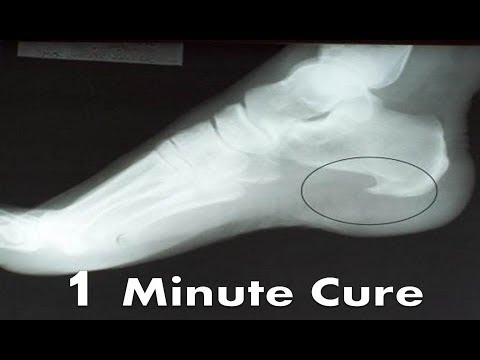
Heel spurs and Achilles tendinitis often go hand-in-hand. Over time, constant tension on the tendon causes the bone to respond by growing a “spur.” It’s your body trying to protect itself, but it ends up causing more pain.
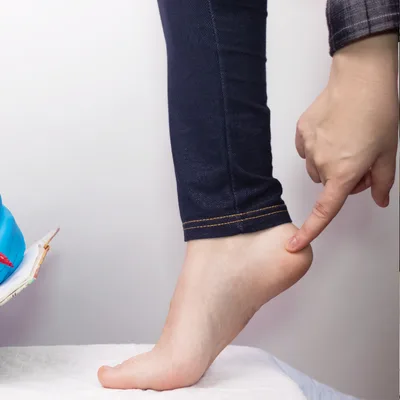
How a Heel Spur Actually Forms.
An ingrown nail is a mechanical intrusion of the nail plate into the soft periungual tissue. This leads to a foreign-body reaction, causing inflammation and, eventually, pyogenic granuloma (overgrowth of tissue). Our Bloomfield Hills clinic focuses on precise surgical excision and matrixectomy to ensure the underlying cause is addressed at the root.
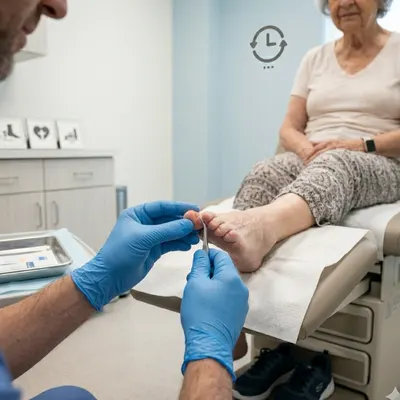
Why Your Ankle Gave Way
Uneven Terrain
A simple misstep on a trail or a hidden dip in the yard can force the foot inward, stretching the outer ligaments.
Improper Footwear
Shoes with worn-out outsoles or high heels lack the lateral stability needed to prevent the ankle from “rolling” during a turn.
Previous Injuries
An old sprain that never healed properly leaves the joint “loose,” making you much more likely to twist it again.
Three Steps to a Safer, Faster Return to Action
Same-Day Digital Imaging

We use in-office X-rays to immediately rule out fractures, giving you instant answers and saving you a stressful trip to the emergency room.
Professional Protective Bracing

We replace flimsy drugstore wraps with medical-grade stabilizers that protect your torn ligaments while allowing you to walk comfortably during the healing process.
Guided Strength Restoration

We provide a customized, easy-to-follow exercise plan designed to tighten your ligaments and restore your balance so you can get back to your favorite Howell trails with confidence.
Schedule an Ankle Sprain Consultation Today
Julian V.
Bloomfield Hills, Michigan
“The approach here is different. They didn’t just tell me to rest; they gave me a roadmap to rebuild my ankle’s strength. I’m playing tennis again with zero fear of another twist.”
Expert Podiatrists
Meet Our Foot Doctors

Dr. Tom Biernacki, DPM
A leader in reconstructive foot surgery and diabetic limb preservation. Dr. Biernacki focuses on high-risk cases and advanced surgical intervention to restore mobility.

Dr. Carl Jay,
DPM
Specializing in neuropathy diagnostics and preventive biomechanical therapies.

Dr. Daria Gutkin, DPM
Focus on advanced clinical wound healing and dermatological diabetic care.
Visit our Bloomfield HIlls cLinic today
Why Michigan Patients Trust Us
What Sets Us Apart:
-
Board-Certified Podiatrist with Diabetic Expertise -
Preventive Care Focused on Avoiding Ulcers -
Advanced Wound Care Options -
Vascular & Neuropathy Testing Available -
Priority Scheduling for Diabetic Patients -
Comprehensive Care in Bloomfield Hills, MI

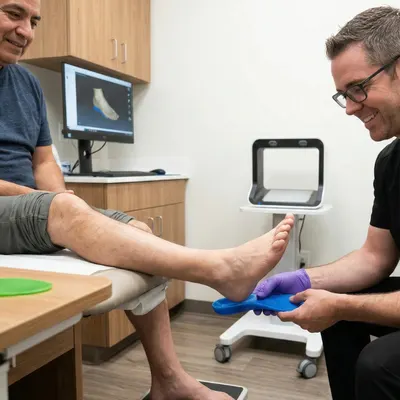
Recommended: Stability Orthotics
-
Improves joint support -
Prevents reinjury -
Enhances balance


Stop Guessing. Start Healing.
Resolve the instability. Restore your standard. Don’t let an acute injury become a chronic limitation. Secure a clinical evaluation today and protect your long-term mobility.
Book Your Performance Evaluation
(810) 206-1402
Frequently Asked Questions
Seek same-day or next-day evaluation if you cannot bear weight on the ankle, if there is significant swelling or bruising, if you heard a ‘pop’ at the time of injury, or if pain is over the bone rather than the ligament. A podiatrist can X-ray your ankle to rule out fracture and begin the appropriate treatment immediately. Early treatment leads to faster recovery and reduced risk of chronic instability.
Severe ankle sprains (Grade 3, complete ligament tear) are treated with a walking boot or short-leg cast for 2-4 weeks, followed by aggressive rehabilitation. Surgery is rarely needed even for complete ligament tears. Physical therapy focusing on proprioception, strengthening, and balance training is critical to restoring function and preventing re-injury.
Our Bloomfield Hills office is at 43494 Woodward Ave #208, Bloomfield Hills, MI 48302 — easily accessible from Auburn Hills, Pontiac, Troy, and Birmingham. We have same-day X-ray capability for acute injuries. Call (810) 206-1402 for an urgent appointment or walk in if you are in significant pain.
👟 Dr. Tom Also Recommends
Podiatrist Recommended Shoes 2026: Dr. Tom’s Top Picks for Every Condition
The right footwear can make or break your recovery. Dr. Tom’s complete guide to the best shoes for plantar fasciitis, flat feet, neuropathy, bunions & more — with clinical picks for every foot type.
👟 Dr. Tom’s Pick: CURREX RunPro Insoles for Runners
CURREX RunPro are biomechanically tuned running insoles with 3 arch profiles (low, medium, high) to match your foot type. Unlike generic insoles, they’re engineered specifically for the high-impact demands of running — reducing pronation stress and metatarsal loading.
View CURREX RunPro on Amazon →
Affiliate disclosure: As an Amazon Associate, Balance Foot & Ankle earns from qualifying purchases.
Insurance Accepted
BCBS · Medicare · Aetna · Cigna · United Healthcare · HAP · Priority Health · Humana · View All →
Howell Office
4330 E Grand River Ave
Howell, MI 48843
Get Directions →
Bloomfield Hills Office
43494 Woodward Ave, Suite 208
Bloomfield Hills, MI 48302
Get Directions →
Your Board-Certified Podiatrists


Ready to Get Back on Your Feet?
Same-week appointments available at both locations.
Board-certified care at both Michigan locations
Book your visit today
Most insurance accepted · On-site X-ray · Board-certified podiatrists
Ankle Sprain Treatment — Bloomfield Hills Podiatrist
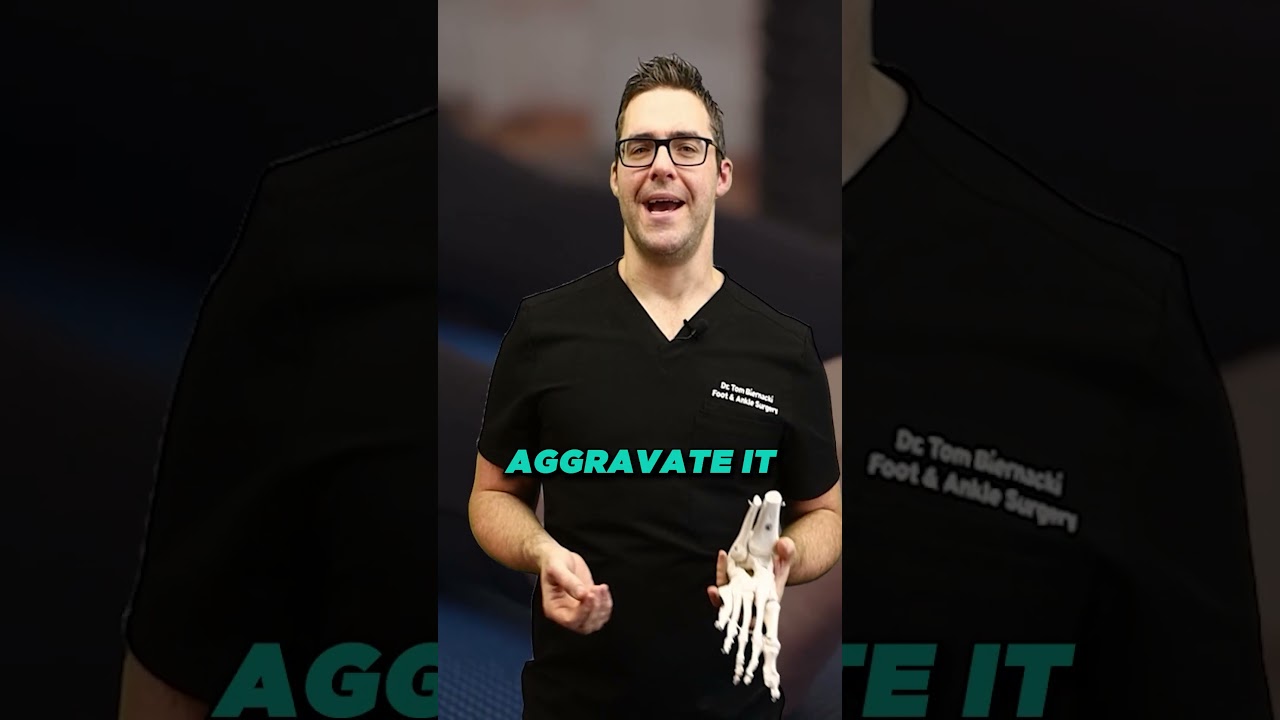
Dr. Biernacki explains the three grades of ankle sprains and why proper podiatric evaluation prevents the chronic instability that affects 40% of patients who received inadequate initial treatment.
Frequently Asked Questions
When should I see a podiatrist for an ankle sprain?
See us if: pain persists beyond 3–4 days, you cannot bear weight, there is significant swelling or bruising, the ankle gave way (suggesting ligament tear), you have had prior sprains, or symptoms aren’t improving after a week of RICE. X-rays rule out fracture; MRI evaluates ligament and tendon integrity when indicated.
What is the difference between a Grade I, II, and III ankle sprain?
Grade I: ligament fibers stretched, no tear — 1–2 weeks recovery. Grade II: partial ligament tear — 2–6 weeks with proper rehab. Grade III: complete ligament rupture — may require 4–12 weeks and occasionally surgical repair for athletes with persistent instability. Inadequately treated Grade II/III sprains are the primary cause of chronic ankle instability.
What is the best treatment for ankle sprain recovery?
RICE for 48 hours, then functional rehabilitation (balance training, resistance bands, proprioception exercises) — not prolonged immobilization. Peroneal muscle strengthening reduces reinjury risk by 60%. Custom orthotics or bracing for 6 months post-Grade II/III sprain. Physical therapy referral for athletes or those with persistent instability.
Frequently Asked Questions
How long does treatment take to work?
Most patients see improvement in 4-8 weeks with consistent conservative care. Persistent symptoms after 8 weeks need imaging and escalation.
When is surgery needed?
Surgery is reserved for cases that fail 3-6 months of conservative care, structural deformities, or fractures requiring stabilization.
Is this covered by insurance?
Most diagnostic visits and conservative treatments are covered by Medicare and major insurers. Custom orthotics often require diabetic or post-surgical justification.
Ankle sprain typically responds best to early podiatrist evaluation, conservative treatments such as supportive footwear and targeted physical therapy, and—when needed—custom orthotics or in-office procedures. Most patients see meaningful improvement within 4-6 weeks of starting a structured treatment plan. Schedule an evaluation at our Howell or Bloomfield Hills office for a clinical assessment.
What is Ankle sprain?
Ankle sprain is a common foot/ankle condition that affects mobility and quality of life. Understanding the underlying cause is the first step in successful treatment. Our podiatrists at Balance Foot & Ankle perform a hands-on biomechanical exam, review your activity history, and use diagnostic imaging when appropriate to identify the root cause—not just treat the symptom. Many patients have been told to “rest and ice” without a deeper diagnostic workup; our approach is different.
Symptoms and warning signs
Common signs of ankle sprain include pain that worsens with activity, morning stiffness, swelling, tenderness when palpated, and difficulty bearing weight. If you experience sudden severe pain, inability to walk, visible deformity, numbness or color change, contact our office the same day or visit urgent care—these can signal a more serious injury such as a fracture, tendon rupture, or vascular compromise. Diabetics with any foot wound should seek same-day care.
Conservative treatment options
Most cases of ankle sprain respond to non-surgical care: structured rest, supportive footwear changes, custom orthotics, targeted stretching and strengthening protocols, anti-inflammatory medications when medically appropriate, and in-office procedures such as ultrasound-guided injections. We also offer advanced therapies including MLS laser therapy, EPAT/shockwave, regenerative injections, and image-guided procedures. Treatment is sequenced from least invasive to most invasive, and we explain the rationale at every step.
When is surgery considered?
Surgery is reserved for cases that fail 3-6 months of well-structured conservative care, when there is structural pathology (severe deformity, complete tear, advanced arthritis), or when imaging shows damage that will not heal without intervention. Our surgeons have performed 3,000+ foot and ankle procedures and prioritize minimally-invasive techniques whenever appropriate. We discuss recovery timelines, return-to-activity milestones, and realistic outcome expectations before any procedure is scheduled.
Recovery timeline and prevention
Recovery from ankle sprain varies based on severity and chosen treatment path. Conservative cases often improve within 4-8 weeks with consistent adherence to the protocol. Post-procedural recovery may range from a few days (in-office procedures) to several months (reconstructive surgery). Long-term prevention involves footwear assessment, activity modification, structured strengthening, and regular check-ins with your podiatrist if you have a history of recurrence. We provide written home-exercise plans and digital follow-up support.
Ready to feel better?
Same-week appointments available in Howell and Bloomfield Hills, Michigan.
Our podiatrists treat the underlying cause, not just the symptom. Same-week appointments at our Howell and Bloomfield Hills, Michigan offices.