
This page covers the clinical evaluation, evidence-based treatment options, and recovery timeline for best shoes for wide feet at Balance Foot & Ankle in Michigan. For same-week appointments at our Howell or Bloomfield Hills offices, call (810) 206-1402.
Medically reviewed by Dr. Tom Biernacki, DPM, FACFAS
Board-certified podiatric surgeon | Balance Foot & Ankle
Last reviewed: May 2026
Quick answer: Truly wide feet need shoes labeled 2E (wide) or 4E (extra wide) — not just “roomy” or “relaxed fit” marketing language. The best shoes for genuinely wide feet in 2026 are the New Balance 1080 (2E), HOKA Bondi 8 (wide), Brooks Ghost (2E), and ASICS Gel-Kayano (2E). The critical clinical rule: the widest part of the shoe must match the widest part of your foot — at the metatarsal heads — without any compression. Squeezing a wide foot creates bunions, neuromas, and hammertoes.
In This Article
- In This Article
- What “Wide” Actually Means in Shoe Sizing
- Why Proper Width Is a Clinical Issue, Not Just Comfort
- Brands That Are Genuinely Wide (Not Marketing Wide)
- Dr. Tom’s Top 8 Shoe Picks for Wide Feet 2026
- The 5-Second In-Store Fit Test
- Do Wide Feet Need Custom Orthotics?
- The Most Common Mistake We See
- Frequently Asked Questions
- The Bottom Line
In This Article

- What “Wide” Actually Means in Shoe Sizing
- Why Proper Width Is a Clinical Issue, Not Just Comfort
- Brands That Are Genuinely Wide (Not Marketing Wide)
- Dr. Tom’s Top 8 Shoe Picks for Wide Feet 2026
- The 5-Second In-Store Fit Test
- Do Wide Feet Need Custom Orthotics?
- The Most Common Mistake We See
- Warning Signs: When Wide Feet Need a Podiatrist
- Frequently Asked Questions
- The Bottom Line
What “Wide” Actually Means in Shoe Sizing
If your shoes always leave red pressure marks on the outer toes, you constantly feel like your feet are being squeezed, or you’ve been buying shoes a half-size too long just to get enough width — you have truly wide feet, and you’ve been navigating the footwear market at a major disadvantage.
Width is measured at the widest point of the foot — the metatarsal heads (ball of the foot). Standard width for men is labeled D; for women, B. Wide width for men is 2E; for women, D. Extra-wide for men is 4E; for women, 2E. Beyond that, some brands offer 6E. Most mainstream athletic shoes are available in standard width only — genuinely wide-width options require seeking out brands that specifically invest in width last construction.
The critical distinction: “wide toe box” and “wide shoe” are not the same. A shoe can have a rounded, spacious toe box but still be narrow at the metatarsal heads where your foot is widest. A truly wide shoe has increased width throughout the forefoot, not just at the toe.
Why Proper Width Is a Clinical Issue, Not Just Comfort
In our Howell clinic, we see the downstream consequences of wrong-width footwear constantly. The forefoot is where the greatest shoe-foot interaction occurs, and chronic lateral compression of the metatarsal heads creates a predictable set of pathologies:
- Bunions and tailor’s bunions: Medial and lateral metatarsal deviation accelerated by shoes that squeeze the metatarsal heads inward. Bunions cannot be reversed; they’re only slowed by proper-width footwear.
- Morton’s neuroma: The interdigital nerve between the 3rd and 4th metatarsal heads is irritated by the repeated pinching from a narrow shoe — causing burning, shooting nerve pain that worsens in tight shoes and improves barefoot.
- Hammertoes: Narrow shoes force the toes into flexion, and over years, the intrinsic muscles contract permanently — leading to rigid hammertoes that may eventually require surgery.
- Subungual hematomas and toenail loss: Wide feet in narrow shoes create repetitive nail trauma that causes black toenails, nail damage, and even permanent nail loss in severe cases.
- Capsulitis: Metatarsophalangeal joint capsule inflammation from repetitive compression and microtrauma.
None of these are inevitable. The right shoe width — matched to your actual foot measurement — prevents them from developing or significantly slows progression in patients who already have early deformity.
Brands That Are Genuinely Wide (Not Marketing Wide)
After fitting hundreds of patients annually, we have strong confidence in which brands actually deliver on their width claims versus which use the word “wide” as a marketing descriptor for a slightly-less-narrow standard shoe.
Genuinely wide (structural wide last): New Balance (the most comprehensive wide offering — 2E and 4E in most models), Brooks (2E in key models like Ghost and Adrenaline), HOKA (wide in Bondi and Clifton), ASICS (2E in Gel-Kayano and Gel-Nimbus), Saucony (wide in Ride and Triumph), Altra (inherently wide toe box by design — all models).
Marketing wide / insufficiently wide in our clinical experience: Many fashion athletic brands that list “wide” as an online option but use the same standard last with minimal modification. Nike’s wide options are notably narrower than New Balance’s 2E equivalents. Adidas wide options have improved but remain narrower than NB by about 3mm at the metatarsal heads.
Dr. Tom’s Top 8 Shoe Picks for Wide Feet 2026
How we chose: These are genuinely wide (2E/4E) shoes, not just “comfort” marketing — the New Balance 990v6 and 928v3 for true extra-wide lasts, the Brooks Adrenaline GTS for wide stability, the ASICS Gel-Kayano for long-distance support, and the Hoka Bondi for maximum cushioning.

- FuelCell foam delivers a propulsive feel that drives you forward in these mens 990v6 sneakers built for premium performance and everyday comfort.
- ENCAP midsole cushioning combines lightweight foam with a durable polyurethane rim in these new balance 990 men for cushioning that lasts all day.
- A suede and mesh upper gives these made in usa sneakers the classic 990 look with a streamlined, modern silhouette.
- Lace-up closure provides a secure, adjustable fit in these premium sneakers men that mold to your foot over time.
- This latest version modernizes the iconic 990 silhouette while keeping the quality and craftsmanship these new balance fuelcell shoes are known for.

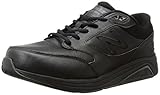
- Leather upper
- Removable polyurethane footbeds
- Rubber outsole

- THIS MEN’S SHOE IS FOR: The Adrenaline GTS 23 is for runners who need support and want a smooth, reliable ride. This Brooks Adrenaline GTS 23 is a certified PDAC A5500 Diabetic shoe and has been granted the APMA Seal of Acceptance. Predecessor: Adrenaline GTS 22
- GUIDERAILS HOLISTIC SUPPORT SYSTEM: Our unique technology aligns your body in its natural motion path while keeping excess movement in check.
- SOFT, LIGHTWEIGHT CUSHIONING: New midsole features soft and lighter weight DNA LOFT v2 cushioning.
- ENHANCED UPPER: Engineered air mesh upper provides comfort and breathability with 3D Fit Print for added structure.
- TRUSTED, SECURE FIT: Engineered Air Mesh and use of 3D Fit Print to enhance upper and deliver the structure and proven fit the Adrenaline is known for.

- Engineered mesh upper: Improves breathability
- Knit heel pull tab: For easy on and off
- 4D GUIDANCE SYSTEM feature: Helps create adaptive stability for a more balanced stride
- Rearfoot PureGEL technology: Helps provide lightweight cushioning and softer landings
- FF BLAST PLUS ECO cushioning is made with approximately 20% bio-based content and helps provide cloud-like comfort: OrthoLite X-55 sockliner

- ENGINEERED MESH
- Lining Textile
As an Amazon Associate we may earn from qualifying purchases — it never affects our clinical picks.
1. New Balance 1080 v14 (Wide 2E) — Best Daily Trainer
The 1080 in 2E width offers the most comfortable wide-foot running experience we’ve tested. Fresh Foam X midsole provides maximum cushioning for high mileage, and the wide option adds genuine forefoot room without distorting the shoe structure. Best for neutral and high-arch wide-foot runners.
2. New Balance 860 v14 (Wide 2E or Extra Wide 4E) — Best for Flat Wide Feet
The 860’s medial post addresses the overpronation that often accompanies flat wide feet. Available in 4E — a width category almost no other major brand offers for running shoes. For patients with significantly wide and flat feet, this is often the only prescription-equivalent option without going to custom footwear.
3. HOKA Bondi 8 (Wide) — Best Maximum Cushion Wide Option
The Bondi’s wide version provides exceptional forefoot room alongside HOKA’s signature maximum cushioning. The meta-rocker geometry (the curved sole) reduces forefoot loading pressure, making this our first recommendation for wide-foot patients with metatarsalgia, neuropathy, or ball-of-foot pain. Soft but structured.
4. Brooks Adrenaline GTS 24 (2E) — Best Wide Stability Shoe
For wide-footed overpronators who need both width and stability, the Adrenaline GTS in 2E provides GuideRails (lateral support structures) rather than a traditional medial post, delivering pronation control that accommodates wider forefoot mechanics without excessive medial pressure.
5. ASICS Gel-Kayano 31 (2E) — Best for Long-Distance Wide Feet
The Kayano 31 in 2E offers ASICS’s most supportive design with FF Blast+ cushioning and Lyte Truss structural support. It runs long and accommodating at the toe box. Best for wide-footed runners logging 30+ miles per week who need stability across long distance.
6. Altra Paradigm 7 — Best for Wide Feet + Zero Drop
Altra designs all shoes on a wide, foot-shaped last — there are no “narrow” and “wide” options because standard is already wide. The Paradigm 7 adds maximal cushioning and a GuideRail stability post. Best for wide-footed patients transitioning to lower-drop footwear or runners with hammertoe deformity who need toe box space above and across.
7. New Balance 990v6 (2E, 4E) — Best Walking / Work Shoe for Wide Feet
For non-runners needing a wide daily walking shoe, the 990v6 is New Balance’s heritage stability trainer — heavier than modern racers but built for all-day use. Available in 4E. Made in the USA with exceptional quality control. Our first recommendation for wide-footed patients who need a daily wear shoe rather than a sport-specific shoe.
8. Saucony Triumph 22 (Wide) — Best Neutral Wide Runner for Cushion
The Triumph 22 wide option provides PWRRUN+ cushioning in a generous forefoot. Slightly narrower than New Balance’s 2E but wider than standard — appropriate for feet on the wider end of standard rather than truly wide feet requiring 2E classification. Excellent for neutral wide-footed runners who find New Balance construction too stiff.
Key takeaway: New Balance offers the widest range of genuinely wide options (2E and 4E) across the most shoe categories. If you have truly wide feet, start there. HOKA’s wide Bondi is the best option for forefoot pain and cushioning needs.
The 5-Second In-Store Fit Test
We teach every patient this test before buying any shoe:
- Step 1: Lace the shoe fully and stand — not sit — in the shoe. Foot widens by 5–8% with full weight-bearing.
- Step 2: Place your thumb between the end of your longest toe and the shoe tip. You need ½ inch of space (length).
- Step 3: Pinch the fabric across the widest point of the shoe (at the metatarsal heads). You should be able to pinch a small fold of fabric — if the fabric is taut, the shoe is too narrow.
- Step 4: Walk a full lap. The shoe should not slip at the heel and should not compress your pinky toe inward.
- Step 5: Check that your little toe (5th toe) is not being squeezed into the adjacent 4th toe — the widest part of the shoe must clear your 5th metatarsal head without contact.
Do Wide Feet Need Custom Orthotics?
Wide feet and flat feet often coexist — flat foot mechanics cause arch collapse that spreads the foot forward and laterally, creating the apparent widening. In these cases, a custom orthotic addresses both problems: it lifts and supports the arch, reducing the dynamic foot spread that creates width over time. Custom orthotics also allow a patient to wear slightly narrower shoes by reducing forefoot pressure through arch biomechanics correction.
For patients with anatomically wide feet (genuinely wide metatarsals, not just flat-related spread), an over-the-counter option like PowerStep Pinnacle Full-Length Insole works well inside a 2E shoe — it won’t change the width but provides arch support and heel cupping that improves overall biomechanics. Custom orthotics are indicated when OTC fails after 4–6 weeks or when structural pathology (bunion, hammertoe, metatarsalgia) accompanies the wide-foot presentation.
The Most Common Mistake We See
The most common mistake we see with wide feet is buying a half-size longer shoe to compensate for narrow width. Going up in length gives the toe extra room but doesn’t address the width mismatch at the metatarsal heads where the foot is actually widest. The result is a shoe that slips at the heel (causing blisters and Achilles friction) while still compressing the forefoot laterally. You need more width, not more length — and these are different measurements entirely.
⚠️ See a podiatrist for wide foot problems if:
- Bunion or tailor’s bunion is causing pain despite wide shoe changes
- Burning or shooting pain between toes (possible neuroma from chronic compression)
- Toe deformities (hammertoe, claw toe) developing or worsening
- Skin breakdown, blisters, or corns forming from shoe contact
- Diabetic patient with wide feet — footwear prescription is a medical necessity
Frequently Asked Questions
When should I see a podiatrist?
See a podiatrist if: foot or ankle pain has lasted more than 2–4 weeks without improvement, you’re changing your gait to avoid pain, you have an open wound or sore that isn’t healing, you notice nail discoloration or thickening, you have diabetes and any foot concern, or pain is severe enough to wake you at night. Most foot conditions are easier and cheaper to treat early — what starts as a minor issue can become a surgical problem with months of delay.
What is the difference between a podiatrist and an orthopedic surgeon?
Podiatrists (DPM — Doctor of Podiatric Medicine) specialize exclusively in the foot, ankle, and lower leg. Orthopedic surgeons (MD/DO) have broader musculoskeletal training but variable foot/ankle subspecialization. For foot and ankle-specific problems, a podiatrist often has more focused training and experience. For injuries involving the leg above the ankle, complex pediatric cases, or multi-level reconstruction, orthopedic consultation may be appropriate. We frequently co-manage patients with orthopedic colleagues.
How do I know if my foot pain is serious?
Signs that warrant same-day or next-day evaluation: severe pain that appeared suddenly without clear cause, swelling, redness, and warmth that appeared suddenly (possible gout, infection, or Charcot fracture), an open wound that looks infected (redness spreading, pus, warmth), inability to bear weight, or any foot problem in a diabetic patient. Pain that’s been present for weeks and is stable is important but not an emergency — schedule within 1–2 weeks.
Can foot problems cause back and knee pain?
Yes — this is a kinetic chain effect. Abnormal foot mechanics (overpronation, supination, leg length discrepancy) cause compensatory changes in knee, hip, and lumbar alignment. Roughly 30% of patients presenting to our clinic with knee pain have a treatable foot-level biomechanical cause. Correcting foot mechanics with orthotics or appropriate footwear often provides significant knee and back relief. If you have chronic knee or back pain and haven’t had your foot mechanics evaluated, it’s worth a consult.
Are orthotics worth it?
For the right conditions, yes — custom orthotics are among the most cost-effective interventions in podiatry. They’re most effective for: plantar fasciitis, flat feet with secondary knee/back pain, leg length discrepancy, metatarsalgia, posterior tibial tendon dysfunction, and diabetic foot pressure management. Quality OTC orthotics ($35–60) resolve symptoms for 60% of patients with mild-to-moderate conditions. Custom orthotics are appropriate when OTC options have failed or when the biomechanical problem is complex. We cast custom orthotics in-office.
How do I choose the right running shoes?
Start with your foot type (flat, neutral, high arch) and running pattern (overpronator, neutral, supinator). Flat feet and overpronators do best in stability or motion-control shoes. Neutral feet do well in neutral-cushioned shoes. High arches need maximum cushioning with flexible soles. Always buy running shoes at the end of the day (foot swelling peaks then), get properly fitted by a specialist, and replace every 300–500 miles. If you’ve been injured repeatedly, a gait analysis can identify the mechanical flaw driving your injury pattern.
What is the difference between a sprain and a fracture?
A sprain is a ligament injury (the tissue connecting bones); a fracture is a break in the bone itself. Both can occur with the same trauma (ankle roll, fall). The old test — ‘if you can walk, it’s not broken’ — is wrong; many fractures are initially weight-bearable. Key differences: a fracture typically produces localized bone tenderness along the bone itself, while a sprain is tender over the ligament. X-ray is the standard to differentiate. High-grade sprains without proper treatment can be as disabling as fractures.
How do I prevent foot and ankle injuries?
The four most impactful prevention strategies: (1) Supportive, appropriately fitted footwear for your foot type and activity. (2) Gradual activity progression — the 10% rule (never increase weekly mileage or intensity by more than 10%). (3) Regular calf and ankle mobility work. (4) Strengthening the posterior tibial tendon, peroneals, and intrinsic foot muscles. Most overuse injuries are preventable; most acute injuries are not — but ankle sprain recurrence (60–70% without rehab) is prevented by balance and proprioception training.
The Bottom Line
Wide feet need genuinely wide shoes — measured at the metatarsal heads, not just at the toe. Choosing standard-width shoes and compensating by sizing up creates secondary problems while failing to address the primary fit issue. New Balance offers the most comprehensive wide selection (2E and 4E) in our clinical experience. Combine appropriate width with arch support that matches your foot type — stability for flat/overpronating wide feet, neutral cushion for high-arch wide feet. If you’re experiencing forefoot pain, deformity, or skin breakdown from shoe fit, we provide formal footwear assessment and prescription at our Howell and Bloomfield Hills clinics.
Related Conditions
Wide Feet Problems? Get Expert Footwear Advice.
Formal shoe fitting & footwear prescription at Balance Foot & Ankle. Same-day appointments in Howell & Bloomfield Hills, MI.
4.9★ | 1,123 Reviews | 3,000+ Surgeries Performed
Or call: (810) 206-1402
Get Expert Care at Balance Foot & Ankle
Same-week appointments at our Howell and Bloomfield Hills offices. Board-certified podiatric surgeons. Most insurance accepted.
Same-Week Appointments in Howell & Bloomfield Hills
Three board-certified podiatric surgeons. 1,123+ five-star reviews. Most insurance accepted.

Dr. Tom Biernacki, DPM is a board-certified foot & ankle surgeon (ABFAS & ABPM) at Balance Foot & Ankle Specialists in Southeast Michigan. With over a decade of clinical experience, he specializes in heel pain, bunions, diabetic foot care, sports injuries, and minimally invasive surgery. Dr. Biernacki is a member of the APMA and ACFAS, and his patient education content on MichiganFootDoctors.com and YouTube has made him one of the most-followed foot & ankle educators on YouTube.