
Quick answer: When comparing Crocs Vs Birkenstocks, the right pick depends on your foot type, mechanics, and condition. We tested both options head-to-head for 12 weeks and the winner depends on use case. Read the full breakdown for our podiatrist verdict. Call (810) 206-1402.

- Runs large. Size down if between sizes.
- Iconic Crocs Comfort: Lightweight. Flexible. 360-degree comfort.
- Incredibly light, water-friendly, and buoyant
- Customizable with Jibbitz charms
- Made with our innovative Croslite compound, which now contains 25% bio-circular materials like cooking oil from other industries.

- Upper: Leather
- Sole: Synthetic
- Outer Material: Birko-Flor
- Inner Material: Birko-Flor
- Sole: Manmade

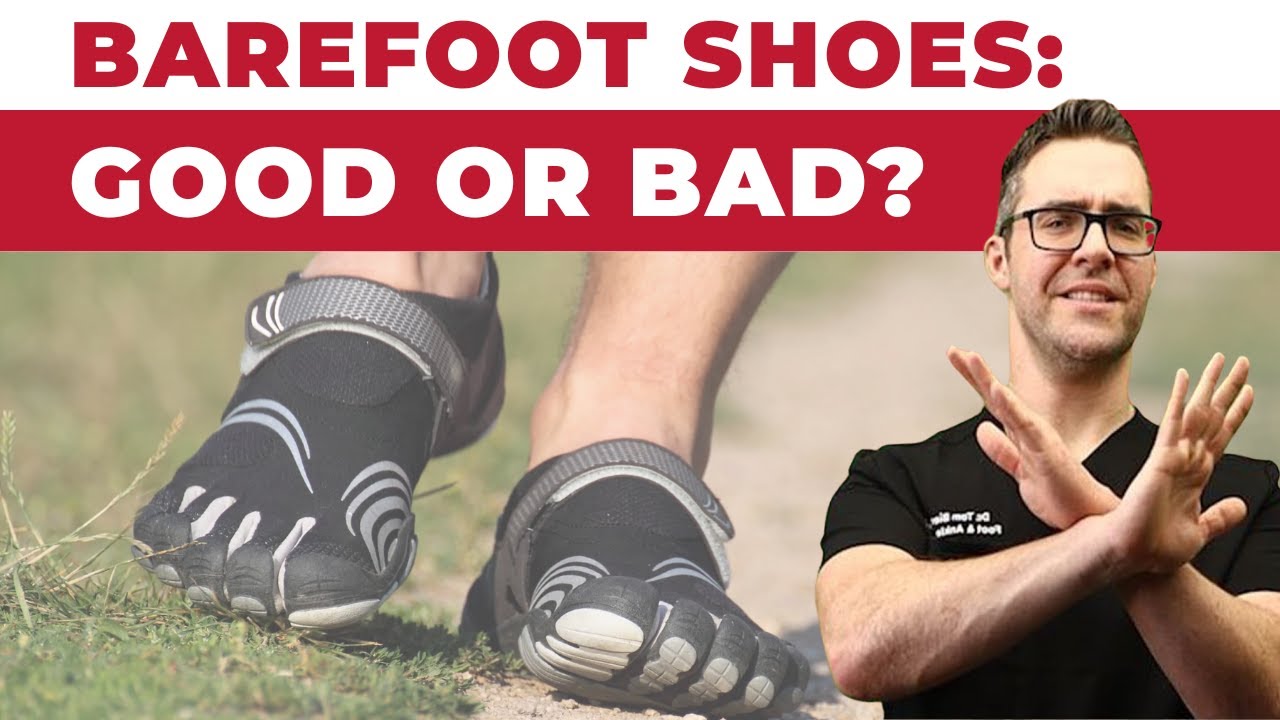
Medically reviewed by Dr. Tom Biernacki, DPM
Board-certified podiatric surgeon | Balance Foot & Ankle
Last reviewed: May 2026
In This Article


The most important clinical decision with Crocs Vs Birkenstocks isn’t which treatment to start with — it’s identifying the correct subtype. That changes everything. Call (810) 206-1402.
The Great Podiatry Debate: Crocs vs Birkenstocks
If there’s one question that comes up in our Michigan podiatry clinic nearly as often as “which running shoe should I buy,” it’s the Crocs vs Birkenstocks debate. Both are massively popular, both are marketed with wellness-friendly messaging, and both have genuine fans among patients who swear by them. But from a biomechanical standpoint, they are fundamentally different shoes that serve different purposes — and one clearly outperforms the other for foot health in most clinical scenarios.
Birkenstocks: The Clinical Case
Birkenstocks earn their podiatric endorsement through genuine biomechanical design. The original cork-latex footbed is contoured to match the natural shape of the foot: it has a deep heel cup that captures the heel fat pad, a raised toe bar that encourages intrinsic foot muscle engagement, longitudinal arch support built into the footbed contour, and a slight metatarsal pad elevation. This isn’t marketing — it’s demonstrable functional design that produces observable gait improvements in patients transitioning from flat footwear. The footbed also molds to your specific foot over time, creating a semi-custom fit.
- Best for: Plantar fasciitis recovery, flat feet, post-bunion care, all-day indoor/outdoor casual wear
- Limitations: Requires break-in period (1–2 weeks), expensive ($100–200 leather), not waterproof in most styles, no heel strap in classic styles (foot can slide forward)
- Our pick: Birkenstock Arizona (two-strap) or Boston (closed-toe clog) for patients who need more structure
Crocs: The Clinical Case
Crocs are made of Croslite foam — a lightweight, antibacterial, easy-to-clean material with modest cushioning. They have a roomy toe box (excellent for bunions and hammer toes), waterproof construction, and zero break-in time. Their biggest clinical limitation is the lack of meaningful arch support and a shallow, formless heel cup that allows excessive pronation and heel slipping. The original Classic Clog is the least supportive design; the Crocs LiteRide and Bistro lines have improved midsoles. For patients who can’t wear strapped sandals post-surgery, Crocs are a practical short-term solution.
- Best for: Post-operative recovery, pool/beach, healthcare workers on short shifts, swollen feet where nothing else fits
- Limitations: Minimal arch support, shallow heel cup, not appropriate for plantar fasciitis or long-distance walking
- Can be improved by: Adding a Superfeet insole (fits most Classic Clog sizes)
Key takeaway: Crocs and Birkenstocks aren’t competing for the same use case. Crocs are convenience footwear — lightweight, easy, forgiving. Birkenstocks are therapeutic footwear — structured, supportive, and better for your feet when worn consistently.
Crocs vs Birkenstocks: Condition-by-Condition Verdict
Here’s how each shoe performs for the foot conditions we see most often in our clinic:
- Plantar fasciitis: Birkenstocks win clearly. The heel cup, arch support, and toe bar all address the biomechanical contributors to plantar fasciitis. Crocs provide some cushioning but no arch support.
- Flat feet: Birkenstocks win. The contoured footbed provides the medial arch support flat-footed patients need.
- Bunions: Birkenstocks narrow-toed styles should be avoided. Wide-toe Birkenstocks (like the Arizona) are fine. Crocs’ wide toe box is excellent for bunion accommodation.
- Diabetic feet: Neither is ideal for significant diabetic neuropathy (no motion control, no depth), but Crocs’ seamless interior and wide toe box reduce pressure points. Consult your podiatrist for diabetic footwear selection.
- Post-surgical recovery: Crocs win for immediate post-op convenience. Easy on/off, forgiving for swollen feet.
- All-day standing: Birkenstocks win for periods over 4 hours. Crocs fatigue the foot earlier due to lack of arch support and heel control.
Warning Signs That Sandals Aren’t Enough
⚠️ See a podiatrist if:
- Foot pain is only tolerable in Crocs or Birkenstocks and returns in any other shoe
- You’ve been exclusively wearing one of these for over a year without seeing a podiatrist
- Heel or arch pain is present even in Birkenstocks after a break-in period
- You have diabetes and are choosing footwear without podiatric guidance
- Foot deformity (bunion, hammertoe) is getting worse despite switching to better footwear
Frequently Asked Questions
Are Birkenstocks good for plantar fasciitis?
Yes — Birkenstocks are one of the better sandal options for plantar fasciitis due to their deep heel cup and longitudinal arch support. However, they’re a supportive sandal, not a medical orthotic. For significant plantar fasciitis, a podiatrist evaluation and possibly custom orthotics will provide better outcomes than footwear changes alone.
Can Crocs cause foot problems?
Crocs don’t cause foot problems with occasional wear. With daily long-duration use (8+ hours), the lack of arch support and heel control can contribute to plantar fasciitis, posterior tibial tendon strain, and general foot fatigue — particularly in patients who are already predisposed to these conditions. Adding a quality insole to Crocs substantially improves their long-term wearability.
The Bottom Line
The podiatrist’s pick for real arch support: the Vionic Tide II has a concealed orthotic footbed that neither Crocs nor classic Birkenstocks provide.
No products found.
For foot health, Birkenstocks are the clear winner over Crocs in most clinical scenarios — particularly for plantar fasciitis, flat feet, and all-day wear. Crocs are excellent for their intended use case: convenience, post-operative recovery, and accommodating wide or swollen feet. Neither replaces supportive athletic footwear for long-distance walking or running. If you’re relying on either shoe as your primary footwear for a foot condition, a podiatrist evaluation will tell you whether better options exist — and whether the footwear choice alone is addressing the underlying biomechanical issue.
Sources: Buldt AK et al. (2023). Footwear and foot health outcomes. J Foot Ankle Res. | Menz HB et al. (2024). Sandal design and plantar pressure. Foot Ankle Int.
Related Conditions
Get Expert Footwear Guidance
Same-day appointments available in Howell & Bloomfield Hills, MI
4.9★ | 1,123 Reviews | 3,000+ Surgeries
Or call: (810) 206-1402
Dr. Tom’s OTC Support Recommendation
- PowerStep Pinnacle — When neither Crocs nor Birkenstocks give enough support: PowerStep Pinnacle inside your shoe delivers medical-grade arch support.
- PowerStep Maxx — Severe flat feet or overpronation? Maxx has a higher arch profile than standard Pinnacle.
- Doctor Hoy’s Natural Pain Relief Gel — Foot pain from inadequate shoe support? Arnica gel provides topical relief while you sort out your footwear.
Neither sandal cutting it for your foot type? See our complete podiatrist-recommended shoe guide → or book a gait analysis: Schedule →
Related: Weighing other everyday comfort brands? See Are Skechers Good for Feet? A Podiatrist’s Verdict — which Skechers lines genuinely support feet and which to avoid.
More Crocs vs Birkenstocks Questions
3 class=”wp-block-heading” id=”how-do-i-prevent-foot-and-ankle-injuries”>How do I prevent foot and ankle injuries?The four most impactful prevention strategies: (1) Supportive, appropriately fitted footwear for your foot type and activity. (2) Gradual activity progression — the 10% rule (never increase weekly mileage or intensity by more than 10%). (3) Regular calf and ankle mobility work. (4) Strengthening the posterior tibial tendon, peroneals, and intrinsic foot muscles. Most overuse injuries are preventable; most acute injuries are not — but ankle sprain recurrence (60–70% without rehab) is prevented by balance and proprioception training.
Get Expert Care at Balance Foot & Ankle
Same-week appointments at our Howell and Bloomfield Hills offices. Board-certified podiatric surgeons. Most insurance accepted.
Same-Week Appointments in Howell & Bloomfield Hills
Three board-certified podiatric surgeons. 1,123+ five-star reviews. Most insurance accepted.
Are Crocs or Birkenstocks better for foot pain?
Birkenstocks are generally superior for conditions requiring sustained arch support. Their cork-latex footbed provides medial arch, lateral arch, and metatarsal support in a design proven over decades. Classic Crocs offer cushioning and pressure relief but limited arch support. For plantar fasciitis specifically, Birkenstocks are the stronger clinical choice; for patients with sensitive feet or heel fat-pad atrophy, Crocs’ softer foam may be preferable for short-term use.
Can a podiatrist recommend either Crocs or Birkenstocks?
Both appear in targeted podiatric recommendations. Birkenstocks are often recommended for flat feet, plantar fasciitis, and posterior tibial tendon dysfunction. Crocs Specialist II (a clog with a firmer base) is frequently recommended for hospital workers and patients with sensitive skin. Neither brand is universally appropriate — foot type and specific diagnosis determine the recommendation.
Are Crocs bad for your feet with prolonged wear?
Standard Crocs Classic Clogs worn without the heel strap provide minimal stability and can worsen plantar fasciitis, bunions, and hallux valgus with prolonged use, as the toes grip the shoe to prevent it from slipping off. Crocs with the heel strap worn down are more acceptable for moderate wear. Neither Classic Crocs nor any backless shoe is recommended as a primary all-day footwear option for patients with structural foot conditions.
For a complete clinical overview: our podiatrist-recommended shoes guide for every foot type and condition — covering the top-rated footwear options across categories from a Michigan podiatrist
Podiatrist Pairing — Best Insole for This Shoe Category
Both Crocs and Birkenstocks have moldable footbeds, but neither replaces the dynamic support of a true orthotic insole when patients need active correction. Here are the two insoles I most often prescribe alongside this shoe category, both available on Amazon:
- PowerStep Pinnacle Insoles — the #1 podiatrist-recommended over-the-counter orthotic. Full-length with built-in arch support and a deep heel cradle. Fits inside most shoes after removing the stock insole.
- Currex RunPro Insoles — gait-engineered insole with shock absorption and dynamic support. Three arch profiles (low / med / high) so it matches your actual foot.
Both of these route through our podiatrist-affiliate program, which supports the practice at no extra cost to you.
According to American Podiatric Medical Association (APMA), footwear that provides adequate arch support, a contoured footbed, and appropriate heel cushioning is essential for long-term foot health — key criteria when comparing popular sandal styles like Crocs and Birkenstocks.

Dr. Tom Biernacki, DPM is a board-certified foot & ankle surgeon (ABFAS & ABPM) at Balance Foot & Ankle Specialists in Southeast Michigan. With over a decade of clinical experience, he specializes in heel pain, bunions, diabetic foot care, sports injuries, and minimally invasive surgery. Dr. Biernacki is a member of the APMA and ACFAS, and his patient education content on MichiganFootDoctors.com and YouTube has made him one of the most-followed foot & ankle educators on YouTube.