

Foot Soaks by Condition: What Actually Works vs. What to Avoid
Foot soaking is one of the most commonly used home remedies in podiatry — and one of the most frequently done incorrectly. The right soak for one condition can worsen another. Epsom salt is widely recommended but the clinical evidence is more nuanced than most people realize. Here is the condition-by-condition breakdown of what to soak with, for how long, and what to avoid.
| Condition | Recommended Soak | Temperature | Duration | Evidence / Mechanism | Avoid |
|---|---|---|---|---|---|
| Plantar fasciitis / heel pain | Warm water (plain or with Epsom salt); contrast baths (alternating warm and cold) in subacute phase | Warm: 100-104°F (38-40°C). Contrast: 100°F warm / 55-60°F cold | Plain warm soak: 10-15 min; Contrast: 3-4 cycles (3 min warm, 1 min cold); total 15-20 min | Warm soaks increase tissue extensibility before stretching (tissue is 12-15% more extensible at 104°F vs room temp); perform plantar fascia stretch IMMEDIATELY after soak while foot is warm; contrast baths reduce post-exercise inflammation in chronic PF | HOT water (>107°F) — doesn’t add benefit and increases inflammation risk; cold-only for chronic PF (cold vasoconsticts when vasodilation is needed for chronic healing) |
| Ingrown toenail (mild, no infection) | Warm water with mild soap; Betadine (povidone-iodine) soak for infected cases (post-podiatry clearance) | Warm: 100-104°F | 15-20 minutes, 2-3× per day; continue until ingrown resolves or surgery performed | Warm soaks soften the nail and surrounding tissue, reducing pressure on the ingrown edge; soap reduces bacterial load; promotes healing of early-stage ingrown before infection develops; Betadine: bactericidal, appropriate for early minor infection with podiatrist direction | Vinegar soaks for infected ingrown (acidic, disrupts healing tissue); prolonged soaking >20 min (maceration worsens tissue integrity around nail fold) |
| Toenail fungus (onychomycosis) | Vinegar (white or apple cider) soak OR Listerine soak; NOT Epsom salt | Cool to room temperature (hot water makes fungus more active); 68-77°F | 15-30 minutes daily; minimum 3-6 months; used as ADJUNCT to antifungal medication, not replacement | Acetic acid (vinegar) creates acidic environment inhospitable to dermatophytes; Listerine contains thymol + eucalyptol with antifungal properties; weak evidence as monotherapy but clinically useful as adjunct to topical efinaconazole; reduces surface fungal load improving topical penetration | Epsom salt soaks for fungus (no antifungal mechanism; prolonged moisture promotes further fungal growth); hot water (increases fungal activity); shared foot baths (infection transmission) |
| Athlete’s foot (tinea pedis) | Dilute vinegar soak (1 part white vinegar : 2 parts water); Burow’s solution (aluminum acetate) for vesicular/weeping athlete’s foot | Cool: 65-70°F (do not use warm — warm promotes fungal growth) | 10-15 minutes; use after antifungal medication, not as replacement; 2× daily during active outbreak | Vinegar (acetic acid) kills surface dermatophytes and disrupts fungal cell membrane; Burow’s solution (aluminum acetate) is astringent — dries vesicular/weeping macerated tinea pedis between the toes where cream can’t penetrate | Warm soaks (increases maceration between toes, worsens interdigital athlete’s foot); Epsom salt (no antifungal activity); commercial foot spas during active infection (contamination risk) |
| Swollen feet / edema | Contrast bath (warm then cold); or cold soak alone for acute ankle swelling (first 48 hours) | Warm: 100-104°F; Cold: 55-60°F | Contrast: 3 min warm, 1 min cold, ×4 cycles; Cold-only: 10-15 min for acute | Contrast baths create “vascular pump” — alternating vasodilation and vasoconstriction enhances lymphatic drainage and reduces edema; most effective for dependent edema and chronic venous insufficiency; cold-only reduces acute inflammation (first 48 hours post-injury) | Prolonged warm soaks for edema (worsens vasodilation and fluid accumulation); foot soaks for systemic edema (cardiac, renal, hepatic) — treat underlying cause first, soaks don’t help systemic fluid |
| Diabetic feet | LUKEWARM water only — test with thermometer or elbow (not foot — reduced sensation); plain water; no additives | 98-100°F MAXIMUM (tested externally); NEVER hot; temperature check MANDATORY before each use | Maximum 5 minutes; pat dry completely, including between toes; inspect feet before and after; moisturize immediately after drying | Diabetic neuropathy reduces heat perception — patients cannot feel burn injury developing; even 104°F water can cause serious burns in insensate diabetic feet; short duration reduces maceration risk which leads to skin breakdown and ulcer formation | HOT soaks — serious burn risk; Epsom salt for open wounds or skin breakdown — osmotic pull worsens wound healing; prolonged soaking >10 min — maceration; any soak if foot has open wound or ulcer — use wound care protocols instead |
Epsom Salt Foot Soaks: What the Evidence Actually Shows
| Claimed Benefit | Evidence | Verdict |
|---|---|---|
| Magnesium absorption through skin for systemic effect | Transdermal magnesium absorption studies show minimal to negligible absorption through intact skin at bath concentrations; skin’s stratum corneum is an effective barrier; serum magnesium does not measurably rise with foot soaks | NOT SUPPORTED — claim that Epsom salt soaks raise systemic magnesium is not supported by clinical evidence; magnesium supplementation via oral route if deficiency is suspected |
| Anti-inflammatory effect on plantar fasciitis | No RCTs specifically on Epsom salt for PF; warm water alone has documented tissue extensibility benefits; magnesium sulfate has anti-inflammatory properties when injected, but not demonstrated topically at bath concentrations | PARTIALLY SUPPORTED — the benefit is from the warm water, not the Epsom salt; warm water at 100-104°F before plantar fascia stretching is clinically useful; the Epsom salt addition is likely neutral (neither helps nor harms for PF) |
| Wound healing and infection prevention | Epsom salt is hypertonic (draws fluid from tissues osmotically); this was historically used to “draw out” infection but osmotic pull delays wound healing by desiccating granulation tissue; modern wound care avoids Epsom salt on open wounds | CONTRAINDICATED for open wounds — Epsom salt impairs wound healing; clean water or saline is preferred; for intact skin on minor non-infected blisters, neutral effect |
| Softening calluses and corns | Warm water alone softens keratin; salt concentration may provide mild keratolytic benefit at high concentrations; however, dedicated urea creams (20-40% urea) are far more effective for callus reduction than any soak | MINIMALLY SUPPORTED — plain warm water achieves similar softening; for callus management, 20-40% urea cream applied after soaking is the effective intervention, not the Epsom salt itself |
| Foot odor reduction | Salt solution is inhospitable to some bacteria; brief antimicrobial effect possible; however, odor-causing bacteria reside in shoes and socks, not just feet — addressing footwear hygiene is more effective | WEAKLY SUPPORTED — mild antimicrobial effect; practical benefit limited; vinegar soaks (acetic acid) are more potent for bacterial odor reduction than Epsom salt |
Foot Soaks by Condition: What Actually Works vs. What to Avoid
Foot soaking is one of the most commonly used home remedies in podiatry — and one of the most frequently done incorrectly. The right soak for one condition can worsen another. Epsom salt is widely recommended but the clinical evidence is more nuanced than most people realize. Here is the condition-by-condition breakdown of what to soak with, for how long, and what to avoid.
| Condition | Recommended Soak | Temperature | Duration | Evidence / Mechanism | Avoid |
|---|---|---|---|---|---|
| Plantar fasciitis / heel pain | Warm water (plain or with Epsom salt); contrast baths (alternating warm and cold) in subacute phase | Warm: 100-104°F (38-40°C). Contrast: 100°F warm / 55-60°F cold | Plain warm soak: 10-15 min; Contrast: 3-4 cycles (3 min warm, 1 min cold); total 15-20 min | Warm soaks increase tissue extensibility before stretching (tissue is 12-15% more extensible at 104°F vs room temp); perform plantar fascia stretch IMMEDIATELY after soak while foot is warm; contrast baths reduce post-exercise inflammation in chronic PF | HOT water (>107°F) — doesn’t add benefit and increases inflammation risk; cold-only for chronic PF (cold vasoconsticts when vasodilation is needed for chronic healing) |
| Ingrown toenail (mild, no infection) | Warm water with mild soap; Betadine (povidone-iodine) soak for infected cases (post-podiatry clearance) | Warm: 100-104°F | 15-20 minutes, 2-3× per day; continue until ingrown resolves or surgery performed | Warm soaks soften the nail and surrounding tissue, reducing pressure on the ingrown edge; soap reduces bacterial load; promotes healing of early-stage ingrown before infection develops; Betadine: bactericidal, appropriate for early minor infection with podiatrist direction | Vinegar soaks for infected ingrown (acidic, disrupts healing tissue); prolonged soaking >20 min (maceration worsens tissue integrity around nail fold) |
| Toenail fungus (onychomycosis) | Vinegar (white or apple cider) soak OR Listerine soak; NOT Epsom salt | Cool to room temperature (hot water makes fungus more active); 68-77°F | 15-30 minutes daily; minimum 3-6 months; used as ADJUNCT to antifungal medication, not replacement | Acetic acid (vinegar) creates acidic environment inhospitable to dermatophytes; Listerine contains thymol + eucalyptol with antifungal properties; weak evidence as monotherapy but clinically useful as adjunct to topical efinaconazole; reduces surface fungal load improving topical penetration | Epsom salt soaks for fungus (no antifungal mechanism; prolonged moisture promotes further fungal growth); hot water (increases fungal activity); shared foot baths (infection transmission) |
| Athlete’s foot (tinea pedis) | Dilute vinegar soak (1 part white vinegar : 2 parts water); Burow’s solution (aluminum acetate) for vesicular/weeping athlete’s foot | Cool: 65-70°F (do not use warm — warm promotes fungal growth) | 10-15 minutes; use after antifungal medication, not as replacement; 2× daily during active outbreak | Vinegar (acetic acid) kills surface dermatophytes and disrupts fungal cell membrane; Burow’s solution (aluminum acetate) is astringent — dries vesicular/weeping macerated tinea pedis between the toes where cream can’t penetrate | Warm soaks (increases maceration between toes, worsens interdigital athlete’s foot); Epsom salt (no antifungal activity); commercial foot spas during active infection (contamination risk) |
| Swollen feet / edema | Contrast bath (warm then cold); or cold soak alone for acute ankle swelling (first 48 hours) | Warm: 100-104°F; Cold: 55-60°F | Contrast: 3 min warm, 1 min cold, ×4 cycles; Cold-only: 10-15 min for acute | Contrast baths create “vascular pump” — alternating vasodilation and vasoconstriction enhances lymphatic drainage and reduces edema; most effective for dependent edema and chronic venous insufficiency; cold-only reduces acute inflammation (first 48 hours post-injury) | Prolonged warm soaks for edema (worsens vasodilation and fluid accumulation); foot soaks for systemic edema (cardiac, renal, hepatic) — treat underlying cause first, soaks don’t help systemic fluid |
| Diabetic feet | LUKEWARM water only — test with thermometer or elbow (not foot — reduced sensation); plain water; no additives | 98-100°F MAXIMUM (tested externally); NEVER hot; temperature check MANDATORY before each use | Maximum 5 minutes; pat dry completely, including between toes; inspect feet before and after; moisturize immediately after drying | Diabetic neuropathy reduces heat perception — patients cannot feel burn injury developing; even 104°F water can cause serious burns in insensate diabetic feet; short duration reduces maceration risk which leads to skin breakdown and ulcer formation | HOT soaks — serious burn risk; Epsom salt for open wounds or skin breakdown — osmotic pull worsens wound healing; prolonged soaking >10 min — maceration; any soak if foot has open wound or ulcer — use wound care protocols instead |
Epsom Salt Foot Soaks: What the Evidence Actually Shows
| Claimed Benefit | Evidence | Verdict |
|---|---|---|
| Magnesium absorption through skin for systemic effect | Transdermal magnesium absorption studies show minimal to negligible absorption through intact skin at bath concentrations; skin’s stratum corneum is an effective barrier; serum magnesium does not measurably rise with foot soaks | NOT SUPPORTED — claim that Epsom salt soaks raise systemic magnesium is not supported by clinical evidence; magnesium supplementation via oral route if deficiency is suspected |
| Anti-inflammatory effect on plantar fasciitis | No RCTs specifically on Epsom salt for PF; warm water alone has documented tissue extensibility benefits; magnesium sulfate has anti-inflammatory properties when injected, but not demonstrated topically at bath concentrations | PARTIALLY SUPPORTED — the benefit is from the warm water, not the Epsom salt; warm water at 100-104°F before plantar fascia stretching is clinically useful; the Epsom salt addition is likely neutral (neither helps nor harms for PF) |
| Wound healing and infection prevention | Epsom salt is hypertonic (draws fluid from tissues osmotically); this was historically used to “draw out” infection but osmotic pull delays wound healing by desiccating granulation tissue; modern wound care avoids Epsom salt on open wounds | CONTRAINDICATED for open wounds — Epsom salt impairs wound healing; clean water or saline is preferred; for intact skin on minor non-infected blisters, neutral effect |
| Softening calluses and corns | Warm water alone softens keratin; salt concentration may provide mild keratolytic benefit at high concentrations; however, dedicated urea creams (20-40% urea) are far more effective for callus reduction than any soak | MINIMALLY SUPPORTED — plain warm water achieves similar softening; for callus management, 20-40% urea cream applied after soaking is the effective intervention, not the Epsom salt itself |
| Foot odor reduction | Salt solution is inhospitable to some bacteria; brief antimicrobial effect possible; however, odor-causing bacteria reside in shoes and socks, not just feet — addressing footwear hygiene is more effective | WEAKLY SUPPORTED — mild antimicrobial effect; practical benefit limited; vinegar soaks (acetic acid) are more potent for bacterial odor reduction than Epsom salt |
Foot Soaks by Condition: What Actually Works vs. What to Avoid
Foot soaking is one of the most commonly used home remedies in podiatry — and one of the most frequently done incorrectly. The right soak for one condition can worsen another. Epsom salt is widely recommended but the clinical evidence is more nuanced than most people realize. Here is the condition-by-condition breakdown of what to soak with, for how long, and what to avoid.
| Condition | Recommended Soak | Temperature | Duration | Evidence / Mechanism | Avoid |
|---|---|---|---|---|---|
| Plantar fasciitis / heel pain | Warm water (plain or with Epsom salt); contrast baths (alternating warm and cold) in subacute phase | Warm: 100-104°F (38-40°C). Contrast: 100°F warm / 55-60°F cold | Plain warm soak: 10-15 min; Contrast: 3-4 cycles (3 min warm, 1 min cold); total 15-20 min | Warm soaks increase tissue extensibility before stretching (tissue is 12-15% more extensible at 104°F vs room temp); perform plantar fascia stretch IMMEDIATELY after soak while foot is warm; contrast baths reduce post-exercise inflammation in chronic PF | HOT water (>107°F) — doesn’t add benefit and increases inflammation risk; cold-only for chronic PF (cold vasoconsticts when vasodilation is needed for chronic healing) |
| Ingrown toenail (mild, no infection) | Warm water with mild soap; Betadine (povidone-iodine) soak for infected cases (post-podiatry clearance) | Warm: 100-104°F | 15-20 minutes, 2-3× per day; continue until ingrown resolves or surgery performed | Warm soaks soften the nail and surrounding tissue, reducing pressure on the ingrown edge; soap reduces bacterial load; promotes healing of early-stage ingrown before infection develops; Betadine: bactericidal, appropriate for early minor infection with podiatrist direction | Vinegar soaks for infected ingrown (acidic, disrupts healing tissue); prolonged soaking >20 min (maceration worsens tissue integrity around nail fold) |
| Toenail fungus (onychomycosis) | Vinegar (white or apple cider) soak OR Listerine soak; NOT Epsom salt | Cool to room temperature (hot water makes fungus more active); 68-77°F | 15-30 minutes daily; minimum 3-6 months; used as ADJUNCT to antifungal medication, not replacement | Acetic acid (vinegar) creates acidic environment inhospitable to dermatophytes; Listerine contains thymol + eucalyptol with antifungal properties; weak evidence as monotherapy but clinically useful as adjunct to topical efinaconazole; reduces surface fungal load improving topical penetration | Epsom salt soaks for fungus (no antifungal mechanism; prolonged moisture promotes further fungal growth); hot water (increases fungal activity); shared foot baths (infection transmission) |
| Athlete’s foot (tinea pedis) | Dilute vinegar soak (1 part white vinegar : 2 parts water); Burow’s solution (aluminum acetate) for vesicular/weeping athlete’s foot | Cool: 65-70°F (do not use warm — warm promotes fungal growth) | 10-15 minutes; use after antifungal medication, not as replacement; 2× daily during active outbreak | Vinegar (acetic acid) kills surface dermatophytes and disrupts fungal cell membrane; Burow’s solution (aluminum acetate) is astringent — dries vesicular/weeping macerated tinea pedis between the toes where cream can’t penetrate | Warm soaks (increases maceration between toes, worsens interdigital athlete’s foot); Epsom salt (no antifungal activity); commercial foot spas during active infection (contamination risk) |
| Swollen feet / edema | Contrast bath (warm then cold); or cold soak alone for acute ankle swelling (first 48 hours) | Warm: 100-104°F; Cold: 55-60°F | Contrast: 3 min warm, 1 min cold, ×4 cycles; Cold-only: 10-15 min for acute | Contrast baths create “vascular pump” — alternating vasodilation and vasoconstriction enhances lymphatic drainage and reduces edema; most effective for dependent edema and chronic venous insufficiency; cold-only reduces acute inflammation (first 48 hours post-injury) | Prolonged warm soaks for edema (worsens vasodilation and fluid accumulation); foot soaks for systemic edema (cardiac, renal, hepatic) — treat underlying cause first, soaks don’t help systemic fluid |
| Diabetic feet | LUKEWARM water only — test with thermometer or elbow (not foot — reduced sensation); plain water; no additives | 98-100°F MAXIMUM (tested externally); NEVER hot; temperature check MANDATORY before each use | Maximum 5 minutes; pat dry completely, including between toes; inspect feet before and after; moisturize immediately after drying | Diabetic neuropathy reduces heat perception — patients cannot feel burn injury developing; even 104°F water can cause serious burns in insensate diabetic feet; short duration reduces maceration risk which leads to skin breakdown and ulcer formation | HOT soaks — serious burn risk; Epsom salt for open wounds or skin breakdown — osmotic pull worsens wound healing; prolonged soaking >10 min — maceration; any soak if foot has open wound or ulcer — use wound care protocols instead |
Epsom Salt Foot Soaks: What the Evidence Actually Shows
| Claimed Benefit | Evidence | Verdict |
|---|---|---|
| Magnesium absorption through skin for systemic effect | Transdermal magnesium absorption studies show minimal to negligible absorption through intact skin at bath concentrations; skin’s stratum corneum is an effective barrier; serum magnesium does not measurably rise with foot soaks | NOT SUPPORTED — claim that Epsom salt soaks raise systemic magnesium is not supported by clinical evidence; magnesium supplementation via oral route if deficiency is suspected |
| Anti-inflammatory effect on plantar fasciitis | No RCTs specifically on Epsom salt for PF; warm water alone has documented tissue extensibility benefits; magnesium sulfate has anti-inflammatory properties when injected, but not demonstrated topically at bath concentrations | PARTIALLY SUPPORTED — the benefit is from the warm water, not the Epsom salt; warm water at 100-104°F before plantar fascia stretching is clinically useful; the Epsom salt addition is likely neutral (neither helps nor harms for PF) |
| Wound healing and infection prevention | Epsom salt is hypertonic (draws fluid from tissues osmotically); this was historically used to “draw out” infection but osmotic pull delays wound healing by desiccating granulation tissue; modern wound care avoids Epsom salt on open wounds | CONTRAINDICATED for open wounds — Epsom salt impairs wound healing; clean water or saline is preferred; for intact skin on minor non-infected blisters, neutral effect |
| Softening calluses and corns | Warm water alone softens keratin; salt concentration may provide mild keratolytic benefit at high concentrations; however, dedicated urea creams (20-40% urea) are far more effective for callus reduction than any soak | MINIMALLY SUPPORTED — plain warm water achieves similar softening; for callus management, 20-40% urea cream applied after soaking is the effective intervention, not the Epsom salt itself |
| Foot odor reduction | Salt solution is inhospitable to some bacteria; brief antimicrobial effect possible; however, odor-causing bacteria reside in shoes and socks, not just feet — addressing footwear hygiene is more effective | WEAKLY SUPPORTED — mild antimicrobial effect; practical benefit limited; vinegar soaks (acetic acid) are more potent for bacterial odor reduction than Epsom salt |
Quick answer: How to soak feet guide the right way: 1) prepare the area properly, 2) use the correct technique demonstrated by a podiatrist, 3) avoid the common mistakes that worsen the problem. We see complications in clinic from improper home care. The full step-by-step guide below shows the right method. Call (810) 206-1402.
Medically reviewed by Dr. Tom Biernacki, DPM
Board-certified podiatric surgeon | Balance Foot & Ankle | Last reviewed: May 2026
Quick answer: The best foot soaks use warm water (100–104°F) for 10–20 minutes. Add Epsom salt for general soreness and callus softening, or white vinegar (1:2 with water) for early toenail fungus and athlete’s foot. Never soak diabetic feet without podiatric guidance — neuropathy prevents sensing dangerous water temperatures.
Quick answer: The best foot soaks use warm (not hot) water at 100–104°F for 15–20 minutes. Epsom salt (1–2 cups per gallon) reduces inflammation and softens calluses. Vinegar soaks (1:2 with water) treat early athlete’s foot and mild toenail fungus. Diabetic patients must NEVER soak feet without podiatric guidance — neuropathy prevents sensing dangerously hot water, leading to burns.
In This Article
Watch: Best Foot Massage & Stretching Routine for Daily Relief

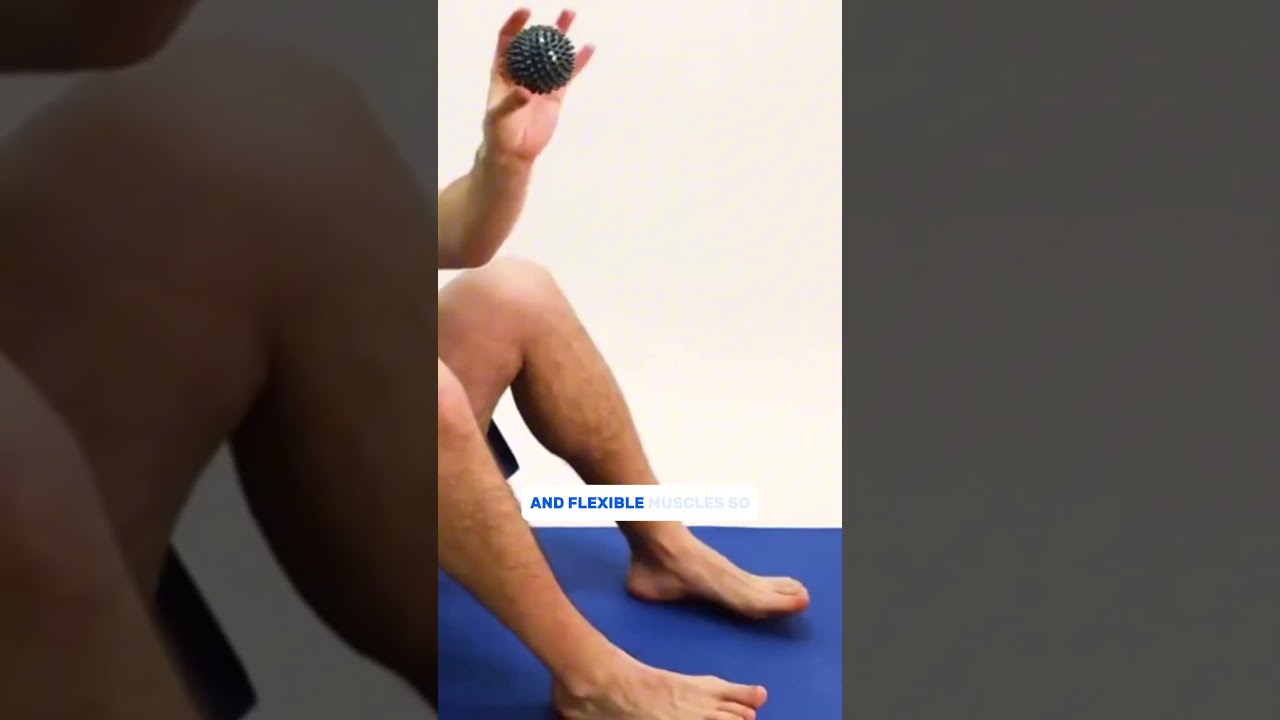
Dr. Tom demonstrates a complete foot care routine that pairs well with therapeutic soaking — including self-massage techniques for plantar fascia, Achilles stretching, and toe mobility exercises that work best when tissues are warm and softened from a soak.
Related Conditions
⚠ Critical Warning: Diabetic Foot Soaks
The most dangerous foot soak mistake we see: diabetics soaking their feet in water that is too hot. Peripheral neuropathy eliminates the temperature sensing that protects non-diabetic feet — a diabetic can have their foot in 120°F water and feel nothing. The result: full-thickness burns on the plantar foot that do not heal, requiring hospitalization and sometimes amputation. Diabetic patients must always use a thermometer to verify water temperature is below 100°F, or have a caregiver check the temperature first. Even a single burn event can become limb-threatening in a person with compromised circulation. This is not a hypothetical risk — we see it regularly in our wound care clinic.
Frequently Asked Questions
When should I see a podiatrist?
See a podiatrist if: foot or ankle pain has lasted more than 2–4 weeks without improvement, you’re changing your gait to avoid pain, you have an open wound or sore that isn’t healing, you notice nail discoloration or thickening, you have diabetes and any foot concern, or pain is severe enough to wake you at night. Most foot conditions are easier and cheaper to treat early — what starts as a minor issue can become a surgical problem with months of delay.
What is the difference between a podiatrist and an orthopedic surgeon?
Podiatrists (DPM — Doctor of Podiatric Medicine) specialize exclusively in the foot, ankle, and lower leg. Orthopedic surgeons (MD/DO) have broader musculoskeletal training but variable foot/ankle subspecialization. For foot and ankle-specific problems, a podiatrist often has more focused training and experience. For injuries involving the leg above the ankle, complex pediatric cases, or multi-level reconstruction, orthopedic consultation may be appropriate. We frequently co-manage patients with orthopedic colleagues.
How do I know if my foot pain is serious?
Signs that warrant same-day or next-day evaluation: severe pain that appeared suddenly without clear cause, swelling, redness, and warmth that appeared suddenly (possible gout, infection, or Charcot fracture), an open wound that looks infected (redness spreading, pus, warmth), inability to bear weight, or any foot problem in a diabetic patient. Pain that’s been present for weeks and is stable is important but not an emergency — schedule within 1–2 weeks.
Can foot problems cause back and knee pain?
Yes — this is a kinetic chain effect. Abnormal foot mechanics (overpronation, supination, leg length discrepancy) cause compensatory changes in knee, hip, and lumbar alignment. Roughly 30% of patients presenting to our clinic with knee pain have a treatable foot-level biomechanical cause. Correcting foot mechanics with orthotics or appropriate footwear often provides significant knee and back relief. If you have chronic knee or back pain and haven’t had your foot mechanics evaluated, it’s worth a consult.
Are orthotics worth it?
For the right conditions, yes — custom orthotics are among the most cost-effective interventions in podiatry. They’re most effective for: plantar fasciitis, flat feet with secondary knee/back pain, leg length discrepancy, metatarsalgia, posterior tibial tendon dysfunction, and diabetic foot pressure management. Quality OTC orthotics ($35–60) resolve symptoms for 60% of patients with mild-to-moderate conditions. Custom orthotics are appropriate when OTC options have failed or when the biomechanical problem is complex. We cast custom orthotics in-office.
How do I choose the right running shoes?
Start with your foot type (flat, neutral, high arch) and running pattern (overpronator, neutral, supinator). Flat feet and overpronators do best in stability or motion-control shoes. Neutral feet do well in neutral-cushioned shoes. High arches need maximum cushioning with flexible soles. Always buy running shoes at the end of the day (foot swelling peaks then), get properly fitted by a specialist, and replace every 300–500 miles. If you’ve been injured repeatedly, a gait analysis can identify the mechanical flaw driving your injury pattern.
What is the difference between a sprain and a fracture?
A sprain is a ligament injury (the tissue connecting bones); a fracture is a break in the bone itself. Both can occur with the same trauma (ankle roll, fall). The old test — ‘if you can walk, it’s not broken’ — is wrong; many fractures are initially weight-bearable. Key differences: a fracture typically produces localized bone tenderness along the bone itself, while a sprain is tender over the ligament. X-ray is the standard to differentiate. High-grade sprains without proper treatment can be as disabling as fractures.
How do I prevent foot and ankle injuries?
The four most impactful prevention strategies: (1) Supportive, appropriately fitted footwear for your foot type and activity. (2) Gradual activity progression — the 10% rule (never increase weekly mileage or intensity by more than 10%). (3) Regular calf and ankle mobility work. (4) Strengthening the posterior tibial tendon, peroneals, and intrinsic foot muscles. Most overuse injuries are preventable; most acute injuries are not — but ankle sprain recurrence (60–70% without rehab) is prevented by balance and proprioception training.
Boost Your Foot Soak: Dr. Tom’s Recommended Additions
A foot soak is most effective when combined with the right topical and physical support. These are the products I use with patients to maximize the anti-inflammatory and healing benefits of regular foot soaks.
Home Soaks Not Enough?
Foot soaks help with many conditions, but chronic heel pain, neuropathy, plantar fasciitis, and swelling often need clinical evaluation to determine the underlying cause. Same-day appointments available at our Howell and Bloomfield Hills locations.
📖 Related: Complete Plantar Fasciitis Hub: Treatment, Stretches & Prevention →
In-Office Treatment at Balance Foot & Ankle
If home care for foot pain isn’t providing lasting relief after 4–6 weeks, it may be time for clinical evaluation. At Balance Foot & Ankle, we provide Plantar Fasciitis & Heel Pain Treatment for patients in Howell and Bloomfield Hills, MI.
Same-day appointments available. (810) 206-1402
Learn about our Plantar Fasciitis & Heel Pain Treatment → | Book online →
Get Expert Care at Balance Foot & Ankle
Same-week appointments at our Howell and Bloomfield Hills offices. Board-certified podiatric surgeons. Most insurance accepted.
Same-Week Appointments in Howell & Bloomfield Hills
Three board-certified podiatric surgeons. 1,123+ five-star reviews. Most insurance accepted.

Dr. Tom Biernacki, DPM is a board-certified foot & ankle surgeon (ABFAS & ABPM) at Balance Foot & Ankle Specialists in Southeast Michigan. With over a decade of clinical experience, he specializes in heel pain, bunions, diabetic foot care, sports injuries, and minimally invasive surgery. Dr. Biernacki is a member of the APMA and ACFAS, and his patient education content on MichiganFootDoctors.com and YouTube has made him one of the most-followed foot & ankle educators on YouTube.