
Medically reviewed by Dr. Tom Biernacki, DPM · Board-Certified Podiatric Surgeon · Last reviewed: April 2026 · Editorial Policy
Quick Answer
Best Medical Walking Boot relates to foot pain — typically caused by overuse, footwear, or biomechanics. Most patients improve in 6-12 weeks with conservative care. Same-week appointments in Howell + Bloomfield Twp: (810) 206-1402.

✅ Medically reviewed by Dr. Thomas Biernacki, DPM — Board-Certified Podiatrist · Last updated April 6, 2026
Comfort, Support, and Protection
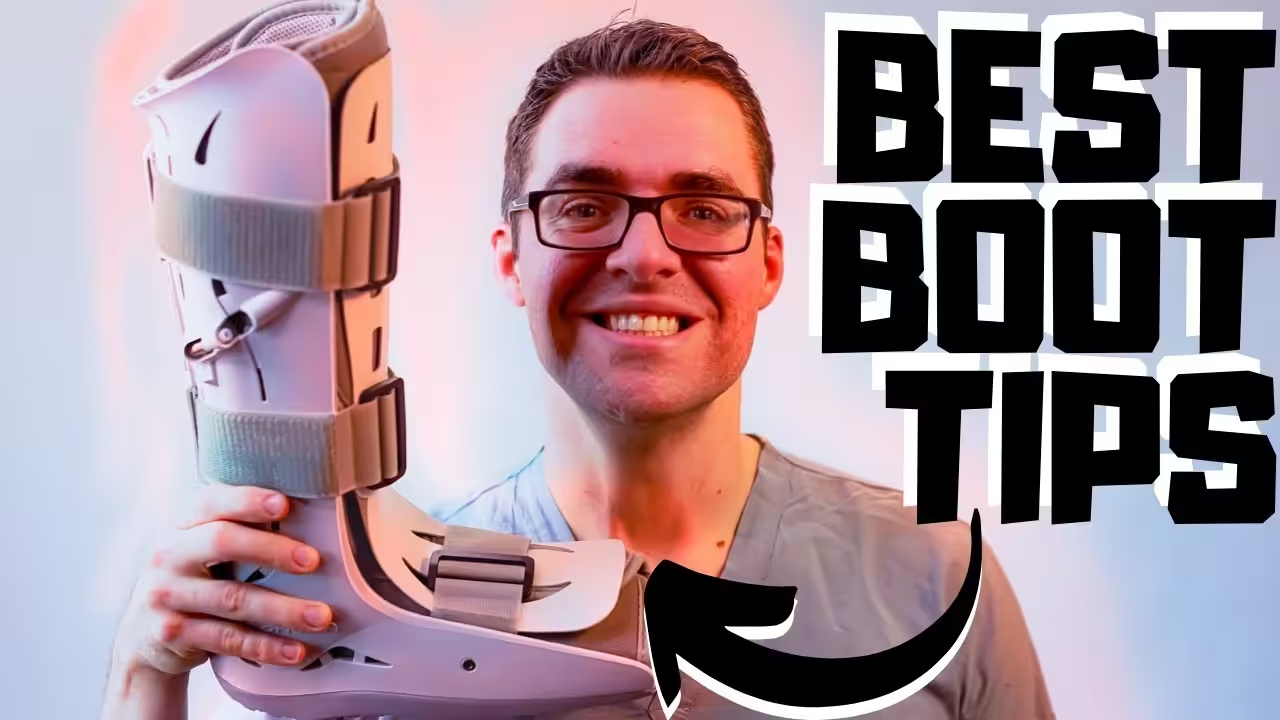
Best Medical Walking Boot Best Accessories, Covers & How to Size!
We go over the best medical walking boot accessories, the best walking boot covers and how to walk in medical boot. Get better FASTER!
https://www.youtube.com/watch?v=Q5zhjs0S-KULooking for the Best Medical Walking Boot? Start Here
Whether you’re recovering from a foot fracture, ankle sprain, or surgery, choosing the best medical walking boot can make all the difference. A quality boot offers the right balance of support, comfort, and mobility—crucial for a faster and safer recovery. At Balance Foot & Ankle Specialist in Michigan, our podiatrists often prescribe walking boots and are here to help you find the one that fits your specific condition and lifestyle needs.
Why Choosing the Right Walking Boot Matters
Not all walking boots are created equal. The right medical boot can relieve pressure, stabilize your foot or ankle, and support proper healing. From short CAM boots for forefoot injuries to tall ones for ankle stabilization, it’s essential to match the boot style with your diagnosis. Poorly fitting or generic boots can slow healing or worsen symptoms—so it’s best to consult with a podiatrist to ensure you get the right fit and features.
Take the First Step Toward Foot Pain Relief
Don’t let dorsal foot pain slow you down. At Balance Foot & Ankle, our expert podiatrists can help relieve your discomfort and get you back on your feet faster. Whether it’s a minor strain or a more serious condition, we offer advanced diagnostics and customized treatment plans for long-term relief.
Call now or book an appointment online—your peace of mind starts here.
BOOK NOWHow to Walk in Medical Boot Video
This video goes over how to walk in a medical boot.
https://youtu.be/Q5zhjs0S-KUBest Medical Walking Boot Tips Video Overview
This video also goes over:
- Medical walking boot socks
- How to size a medical walking boot.
- How to use a medical walking boot.
- What size medical walking boot do I need?
Best Medical Walking Boots
- We go over tall medical walking boots and short medical walking boots.
- Below we also list our favorite medical walking boot accessories.
- We also go over our favorite medical walking boot covers for showering.
📍 Located in Michigan?
Our board-certified podiatrists treat this condition at two convenient locations. Same-day appointments often available.


Medical Walking Boot Covers
- Medical walking boot covers for showering can be very effective.
- They have definitely gotten better over time and are more reliable.
- We still recommend potentially using a garbage bag over top of this protector if you are using a cast.
- It would be a shame to have to call your podiatrist or primary care doctor to change your cast in the middle of the night if the bag leaked.
- Is important to remember that these medical boot covers for showering are not 100% effective.
- They are pretty good otherwise but use her air and defects of the base have been known to occur.
- This is probably not the biggest problem in the world with the walking boot as you could remove it. But if there is a dressing or cast underneath, make sure it does not get wet or this could be a problem.
Medical Walking Boot Accessories
- Our favorite medical walking boot accessories are and even up shoe leveler.
- The medical walking boot can be very tall and can really throw you off balance.
- This can cause hip pain knee pain to both sides of the legs and the hips leading to problems.
- We recommend getting a shoe lift for your opposite foot as this can really take a lot of pressure off your foot.
- Another favorite of ours is a medical boot cover not just for showering but for outside.
- If you live in an area that rains a lot or has snow this could lead to your boot getting dirty.
- It can be very beneficial to have a walking boot cover to protect both the boot and your injured foot.

Book Your Appointment Today—Relief Starts with One Call
Fast, Friendly, and Professional Treatment You Can Trust
(810) 206-1402 BOOK A SCHEDULEFrequently Asked Questions About the Best Medical Walking Boot
Medical walking boot socks?- The best socks for a medical walking boot will extend up toward the knee. This will prevent rubbing along the edge of the boot and will prevent sweating.
- If you sweat too much in the walking boot, it might make the walking boot too smelly and unusable after a few days!
- A medical walking boot is not extremely heavy, but it is clunky and prevents your muscles from moving.
- The key with the boot is to have good support such as crutches, a walker or a rolling knee scooter.
- It is usually not the weight of the walking boot that causes the problem, but more the clunky nature of the boot.
- A short air medical walking boot is better for an injured foot than no boot, but we would recommend a toe walking boot.
- The reason you might need a tall walking boot is because the long extensor tendons and the short extensor tendons insert into the tips of the toes.
- This means that every time the ankle bends or the leg bends, these long extensor and flexor tendons will bend the toe up and down.
- This prevents the broken toe or the broken foot from being stable.
- If at all possible, use a tall medical walking boot for your broken foot or broken ankle.
- Studies show that a walking boot can be beneficial.
- Even better than a walking boot is a rolling knee scooter and walker combined with the tall walking boot to keep pressure off of it.
- In the video above we show how to walk in a medical walking boot.
- Realistically it will always be difficult due to how clunky the boot is, especially a tall walking boot. Here we go over the best tips for walking with a walking boot.
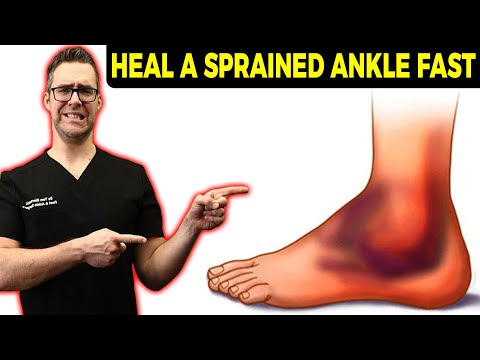
- There are 3 grades of sprained ankles.
- Studies do show that wearing a medical walking boot for sprained ankle can be more beneficial in a grade 2 or grade 3 sprained ankle.
- The studies do show that the medical walking boot initially and then safe physical therapy may be beneficial afterwards.
- In summary we do recommend wearing a medical walking boot early on.
- Click on this link for more on wearing a medical walking boot for sprained ankle.
Walking boots are used for fractures, sprains, tendon injuries, and post-surgical support.
What’s the difference between a tall and short walking boot?Tall boots offer more ankle and leg support; short boots are ideal for forefoot and toe injuries.
Can I walk normally with a medical boot?You may walk with it, but your gait may change. Always follow your doctor’s instructions.
Do I need crutches with a walking boot?Depending on the injury’s severity, crutches or a knee scooter may still be needed early on.
How long should I wear a medical boot?Duration depends on the injury—typically 2 to 8 weeks. Always follow up with your podiatrist.
Can I drive with a walking boot?It’s not advised if the boot is on your right foot. Check with your physician or local laws.
Do I wear a sock with the boot?Yes, wear a thick, moisture-wicking sock to prevent blisters and keep the skin comfortable.
Are walking boots adjustable?Most models are adjustable using Velcro straps to fit snugly around swelling or bandages.
Related Treatment Guides
- Ankle Sprain Treatment
- Plantar Fasciitis & Heel Pain Treatment
- Custom 3D Orthotics
- Sports Foot & Ankle Injury Treatment
📧 Get Dr. Tom’s Free Lab Test Guide
Discover the 5 lab tests every person over 35 should ask their doctor about — explained in plain English by a board-certified physician.
Need a Medical Walking Boot?
Our podiatrists prescribe and fit the right walking boot for your condition — ensuring proper protection and optimal healing for fractures, sprains, and post-surgical recovery.
Clinical References
- Bica D, Sprouse RA, Armen J. Diagnosis and management of common foot fractures. Am Fam Physician. 2016;93(3):183-191.
- Hatch RL, Alsobrook JA, Clugston JR. Diagnosis and management of metatarsal fractures. Am Fam Physician. 2007;76(6):817-826.
- Polzer H, Kanz KG, Prall WC, et al. Diagnosis and treatment of acute ankle injuries: development of an evidence-based algorithm. Orthop Rev (Pavia). 2012;4(1):e5.
📋 Dr. Tom Also Recommends
Podiatrist Recommended Orthotics 2026: Dr. Tom’s Top 10 Insoles & Arch Supports
A podiatrist’s complete clinical guide to the best insoles — custom orthotics, OTC picks, and what actually works for plantar fasciitis, flat feet, neuropathy & more.
Read the Full Guide →Insurance Accepted
BCBS · Medicare · Aetna · Cigna · United Healthcare · HAP · Priority Health · Humana · View All →
Howell Office
3980 E Grand River Ave, Suite 140
Howell, MI 48843
Get Directions →
Bloomfield Hills Office
43700 Woodward Ave, Suite 207
Bloomfield Hills, MI 48302
Get Directions →
Your Board-Certified Podiatrists


Ready to Get Back on Your Feet?
Same-week appointments available at both locations.
Book Your Appointment👟 Dr. Tom’s Complete Footwear Library
Podiatrist-Approved Guides for Every Foot Type & Condition
Clinically reviewed by Dr. Tom Biernacki, DPM — Board-Certified Podiatrist
All guides are written and reviewed by licensed podiatrists. Schedule an appointment →
More Podiatrist-Recommended Foot Health Essentials
Top-Rated Arch Support Insole
No products found.
Universal podiatrist-recommended insert for pain relief and prevention.
Foot Massage Ball
No products found.
Daily 3-minute roll reduces most forms of foot and heel pain.
Moisture-Wicking Sock
No products found.
Prevents fungus, blisters, and odor — the basics matter.
As an Amazon Associate, Balance Foot & Ankle earns from qualifying purchases. Product recommendations are based on clinical experience; prices and availability shown above update live from Amazon.

When to See a Podiatrist
If foot or ankle pain has been bothering you for more than a few weeks, home care alone may not be enough. Balance Foot & Ankle offers same-week appointments at our Howell and Bloomfield Hills clinics — no referral needed in most cases. Bring your current shoes and a short list of symptoms and we’ll build you a treatment plan in one visit.
Call Balance Foot & Ankle: (810) 206-1402 · Book online · Offices in Howell & Bloomfield Hills
In-Office Treatment at Balance Foot & Ankle
When conservative care isn’t enough, Dr. Tom Biernacki and the team at Balance Foot & Ankle offer advanced, same-day options — including Walking Boot Guide (CAM Boots) at our Howell and Bloomfield Hills clinics.
Same-day appointments available. Call (810) 206-1402 or book online.
Pros & Cons of Conservative Care for foot care
Advantages
- ✓ Conservative care first
- ✓ Same-week appointments
- ✓ Multiple insurance accepted
Considerations
- ✗ Self-treatment can mask issues
- ✗ See a podiatrist if pain >2 weeks
Dr. Tom’s Recommended Products for foot care
Affiliate disclosure: As an Amazon Associate, Balance Foot & Ankle earns from qualifying purchases. We only recommend products we use with patients.


Footnanny Heel Cream Dr. Tom’s Pick
Best for: Daily moisturizer for cracked heels
Ready to Get Back on Your Feet?
Same-day appointments in Howell + Bloomfield Twp. Most insurance accepted. Dr. Tom Biernacki, DPM & team.
Book Today — Same-Day Appointments Available
Call Now: (810) 206-1402
About Your Care Team at Balance Foot & Ankle
Dr. Tom Biernacki, DPM · Board-Certified Foot & Ankle Surgeon. Specializes in conservative-first care, minimally invasive bunion surgery, and complex reconstruction.
Dr. Carl Jay, DPM · Accepting new patients. Specializes in sports medicine, athletic injuries, and routine podiatric care.
Dr. Daria Gutkin, DPM, AACFAS · Accepting new patients. Specializes in surgical reconstruction and pediatric podiatry.
Locations: 4330 E Grand River Ave, Howell, MI 48843 · 43494 Woodward Ave Suite 208, Bloomfield Twp, MI 48302
Hours: Mon–Fri 8:00 AM – 5:00 PM · (810) 206-1402

Dr. Tom Biernacki, DPM is a double board-certified podiatrist and foot & ankle surgeon at Balance Foot & Ankle Specialists in Southeast Michigan. With over a decade of clinical experience, he specializes in heel pain, bunions, diabetic foot care, sports injuries, and minimally invasive surgery. Dr. Biernacki is a member of the APMA and ACFAS, and his patient education content on MichiganFootDoctors.com and YouTube has reached over one million views.